Why Proper Land Grading is Critical Before You Build: Preventing Drainage Disasters

Zack Roller • March 29, 2025

✅ Introduction

Before you break ground on a new home, driveway, shop pad, or any other structure, one thing needs to be 100% right: the grade of your land.

Land grading isn’t just about making the ground look level — it’s about controlling water flow, preventing erosion, and protecting your investment for years to come. In this post, we’re breaking down why grading is so important, what can go wrong without it, and how Parallel Projects ensures it’s done right the first time.


🌧 What Happens Without Proper Grading?

Skipping or rushing land grading can lead to costly issues like:

  • Standing Water & Flooding
    Water that doesn’t drain properly can pool near your home or structure, leading to foundation damage, mold, and erosion.
  • Soil Erosion
    Without the right slope, rainwater washes away topsoil — ruining landscaping and weakening the ground beneath structures.
  • Structural Shifting
    A poor foundation grade can cause buildings or driveways to crack, shift, or sink over time.
  • Drainage Issues
    Improper runoff can affect neighboring properties and cause legal headaches or HOA complaints.


📐 What is Land Grading Exactly?

Land grading is the process of reshaping the land’s surface to create a level base and a controlled slope for drainage. It often includes:

  • Cutting high spots and filling in low areas
  • Creating a smooth, compacted base
  • Establishing a slope away from buildings (usually 2–5%)
  • Directing water flow to designated drainage areas or swales

Grading is also commonly paired with site prep, drainage installation, and soil compaction before building.


🛠 When is Grading Needed?

We recommend grading for any of the following:

  • New home builds or barndominiums
  • Driveways, shop pads, or RV pads
  • Installing retaining walls
  • After land clearing or demolition
  • Regrading yards to fix drainage issues

If your land has a visible slope, holds water, or has uneven areas — grading is likely needed before any further work can begin.


🔍 How We Grade Land at Parallel Projects

Here’s how our process ensures the job gets done right:

  1. Site Walk & Slope Evaluation
    We review the existing grade, measure slopes, and assess drainage needs.
  2. Laser Grading & Planning
    We use laser-level tools to set precise elevations and slope angles.
  3. Heavy Equipment Execution
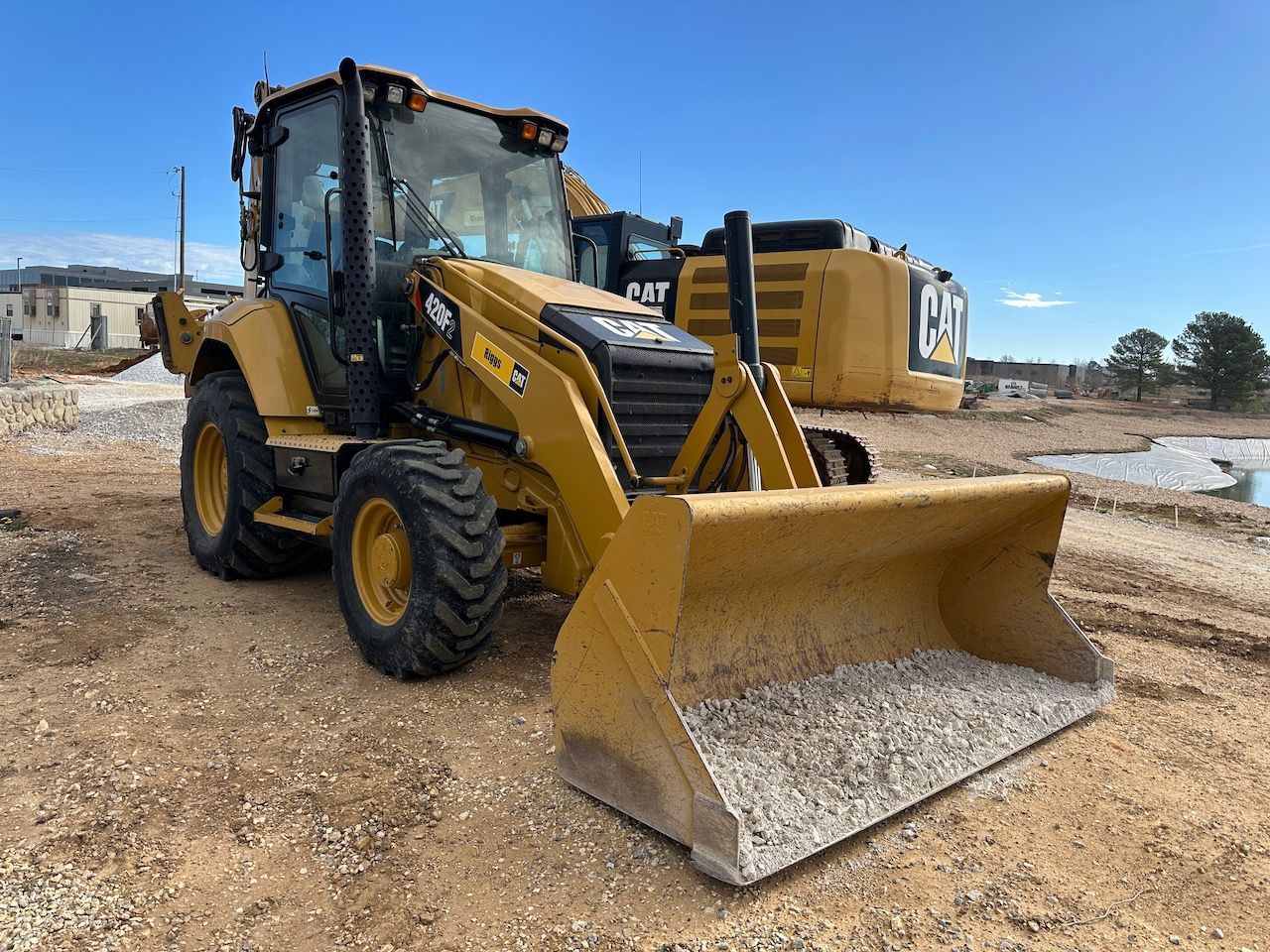
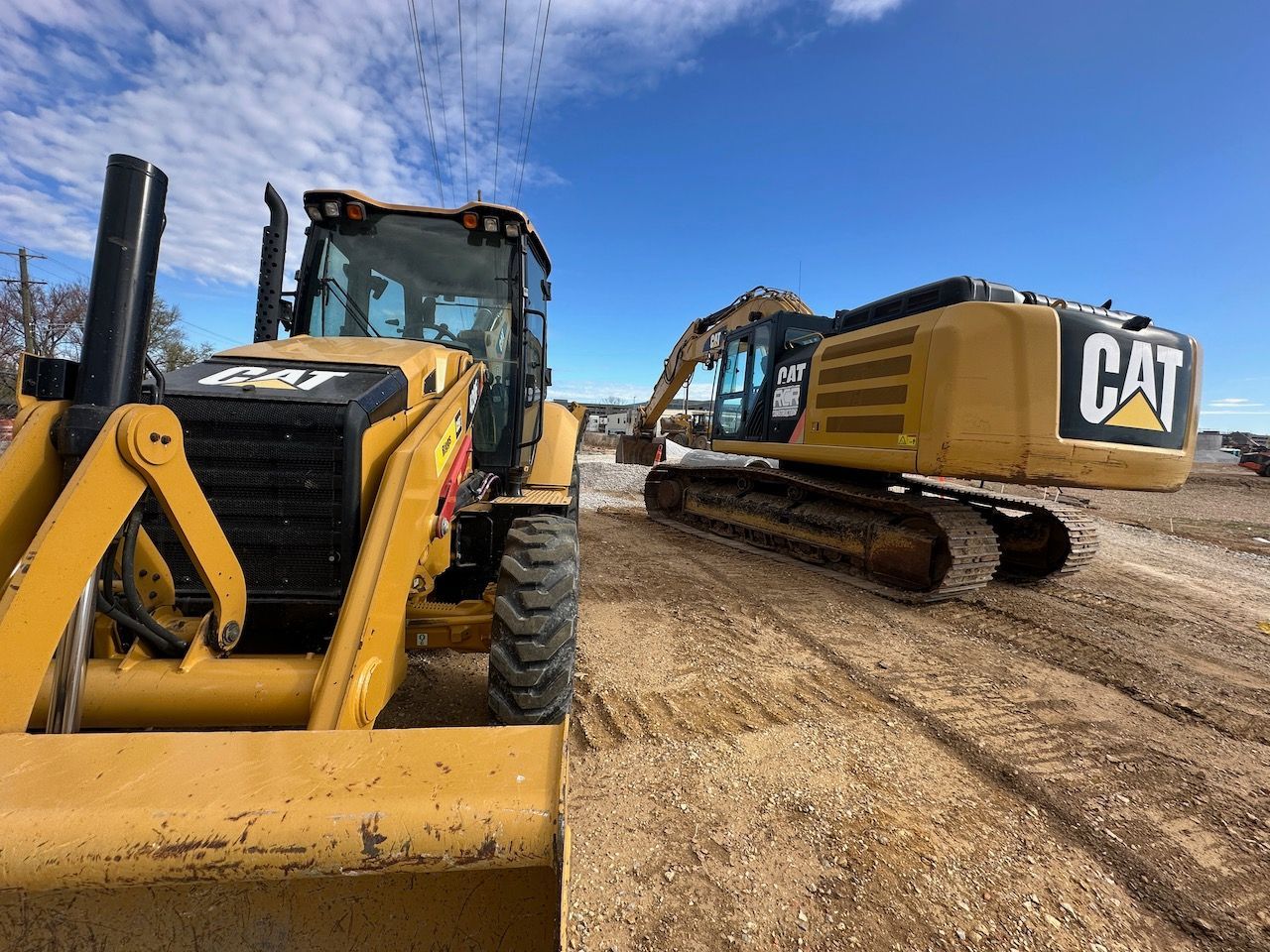
    Our crew cuts, fills, and compacts soil using skid steers, dozers, and compactors.
  4. Final Check & Drainage Test
    Before wrapping up, we make sure water flows away from structures and doesn’t pool.

This ensures your site is ready to build and won't give you future headaches.


🧠 Pro Tip: Grading for Drainage is Long-Term Insurance

Think of grading as insurance for your property — it's a one-time investment that prevents years of water-related damage.

It’s especially important in areas that get heavy rainfall or where clay soils don’t drain well. And once structures are in place, fixing drainage becomes 5x more expensive. That’s why we always recommend doing it right from the start.


📞 Get a Grading Quote from Parallel Projects

If you’re preparing a property for construction or dealing with a drainage issue, our team is ready to help. We provide:

  • Free on-site evaluations
  • Accurate grading plans
  • Fast turnaround with professional equipment


👉 Contact Parallel Projects today to schedule your grading consultation.

[Request a Quote Button]
[Phone Number]
[Link to Contact Page]
November 1, 2025
Why Proper Grading Is the Foundation of Every Project (From Homes to Driveways) Every successful project, whether it’s building a home, installing a driveway, or designing landscaping, begins with one crucial step: grading. Proper grading ensures the ground is stable, level, and ready to handle both construction and nature’s elements. Skip this step, and you’re setting yourself up for water damage, erosion, and costly repairs. In Northwest Arkansas, where clay heavy soils and sloped terrain are common, grading is even more important. At Parallel Projects , we specialize in grading and leveling that protects your property, improves drainage, and sets the stage for everything that comes next. Section 1: What Is Grading? Grading is the process of shaping and leveling the land to create a stable surface. It’s not just about making ground look flat — it’s about: Establishing the right slope so water flows away from structures Compacting the soil for stability Preventing erosion and washouts Preparing the site for driveways, pads, foundations, or landscaping Think of grading as the foundation of your foundation. Section 2: Why Grading Matters 1. Drainage Water always follows gravity. Proper grading ensures it flows away from your home, driveway, or patio instead of pooling where it can cause damage. 2. Stability Without compaction and slope adjustments, soil shifts. Grading locks in a solid base for construction projects. 3. Erosion Control Grading prevents rain from washing away topsoil, mulch, or landscaping. 4. Longevity Driveways, foundations, and yards last much longer when the ground beneath them is properly prepared. Section 3: Types of Grading We Do Home Site Grading – Preparing lots for new builds or additions Driveway Grading – Establishing a stable base and crown for water runoff Yard & Landscape Grading – Creating level areas for lawns, patios, and gardens Drainage Grading – Redirecting water away from foundations and low spots Section 4: Equipment & Expertise At Parallel Projects, we use: Skid steers & graders for precision land shaping Laser levels to ensure accurate slopes Compaction rollers to stabilize the soil It’s not just dirt work — it’s engineering the ground for long-term performance. Section 5: DIY vs. Professional Grading DIY Risks: Uneven slopes that cause water to flow back toward structures Inadequate compaction leading to sinking or settling Expensive rework if foundations or driveways fail Professional Advantages: Precision slope and grade control Knowledge of local soils and drainage challenges Proper equipment for lasting results Section 6: Common Questions How do I know if my property needs grading? Signs include standing water, soil erosion, uneven ground, or water flowing toward your foundation. What’s the ideal slope for drainage? Industry standards call for a 1–2% slope away from structures, but each property is unique. We calculate slope based on soil type and layout. Can grading improve my lawn? Absolutely. Leveling creates healthier grass growth and makes mowing easier. Build on Solid Ground Every great project begins with proper grading. Don’t risk your investment on unstable soil or poor drainage. At Parallel Projects , we provide grading and leveling services that protect your property and prepare it for success. Our Services Include: Grading & Leveling Excavation & Site Prep Drainage Solutions Driveway Construction Retaining Walls Land Clearing Demolition Services Pressure Washing Commercial Cleaning 📲 Contact us today for a free on-site grading evaluation in Fayetteville, Rogers, Bentonville, Springdale, or surrounding areas. Let’s build your project on solid ground.
October 29, 2025
More Than Just a Wall: How Retaining Walls Protect Your Home and Add Value When most people think about retaining walls, they picture a stack of stones or concrete holding back dirt. While that’s technically true, a well‑designed retaining wall is much more than just a barrier. It’s a functional and aesthetic investment that protects your home, enhances your landscape, and adds lasting value to your property. The Functional Benefits Erosion Control One of the main reasons retaining walls exist is to stop erosion. Properties with slopes are especially vulnerable to soil movement during heavy rains. Without a barrier, soil can wash away, damaging foundations, walkways, or landscaping. A retaining wall acts as a shield, holding soil in place and protecting your property from costly damage. Flood and Drainage Management A retaining wall doesn’t just hold back soil—it can also redirect water flow. By carefully planning the placement and design of a wall, drainage issues can be controlled, preventing flooding around your home or in your yard. This reduces the risk of water damage and keeps your outdoor areas usable year‑round. Structural Support If your home sits on a hill or your yard has steep slopes, gravity is always working against you. Retaining walls provide the structural reinforcement needed to keep land from collapsing or sliding. This ensures the safety and stability of your property for years to come. The Aesthetic Value Boosting Curb Appeal A retaining wall isn’t just a practical feature—it’s also a design element. Materials like stone, brick, or concrete blocks can be chosen to complement your home’s architecture. A well‑designed wall frames your landscaping, adds visual interest, and instantly boosts curb appeal. Defining Outdoor Spaces Retaining walls can transform sloped or uneven yards into functional outdoor living areas. They can create terraced gardens, raised flower beds, or even serve as seating walls around patios. This not only improves the look of your property but also maximizes usable space. Long‑Term Investment When you improve both the functionality and beauty of your property, you increase its overall value. Retaining walls are considered an attractive feature for buyers because they solve problems before they start and provide a polished, professional landscape look. Protect and Enhance Your Property At the end of the day, a retaining wall is more than just a wall. It’s a safeguard against erosion and water damage, a reinforcement for your property’s structure, and a stylish addition to your landscape. Whether you’re protecting your home or planning a yard makeover, a retaining wall offers the perfect balance of function and form. Ready to Build Your Retaining Wall? Don’t wait until erosion or drainage problems cost you thousands in repairs. Start your project today with professionals who know how to design and build retaining walls that last. Contact us for a free consultation and let’s create a solution that protects your property and adds lasting value.